Project overview

Growing successfully for years, a project that thrives on the academic soil.

View details »

Hardware

Our Arduino IoT device leads with cutting-edge sensors for unmatched performance.

View details »

Software

A powerful IoT platform ThingsBoard that efficiently visualizes and analyzes monitored data.

View details »


Project overview

This project has been evolving for several years at the Faculty of Informatics and Information Technologies (FIIT) of the Slovak University of Technology in Bratislava, under the guidance of Ing. Tomáš Kováčik, Ph.D., as part of both bachelor's and master's degree projects. Throughout its development, the project has transitioned through multiple phases, incorporating a variety of technologies and monitoring devices. In its early stages, devices such as Arduino, Meshlium, and Libelium were employed alongside various platforms for data visualization including Modulosys and Azure IoT Central. The monitoring IoT devices and visualization platforms communicated using the Sigfox network. Currently, the IoT platform ThingsBoard is utilized for displaying measured data, marking a significant evolution in the project's approach to data handling and visualization.

The primary objective of the project's latest phase was to integrate an appropriate IoT platform for displaying and analyzing the collected data and to implement a presentation website. This website's main function is to showcase information and data on publicly monitored bee hives, providing invaluable insights into their conditions. Following this integration, the project encountered the challenge of replacing a missing monitoring device implementation. To address this, we initiated the generation of monitored variables of a simulated bee hive, aiming to replicate data from a real bee hive environment as closely as possible. This endeavor is essential for maintaining the project's integrity and its capability to deliver precise, real-time insights into bee hive conditions. Through the simulation of bee hive environments, we strive to enhance the understanding and analysis of the factors influencing bee populations, utilizing state-of-the-art IoT technology to pioneer novel approaches in beekeeping and environmental stewardship.


Hardware

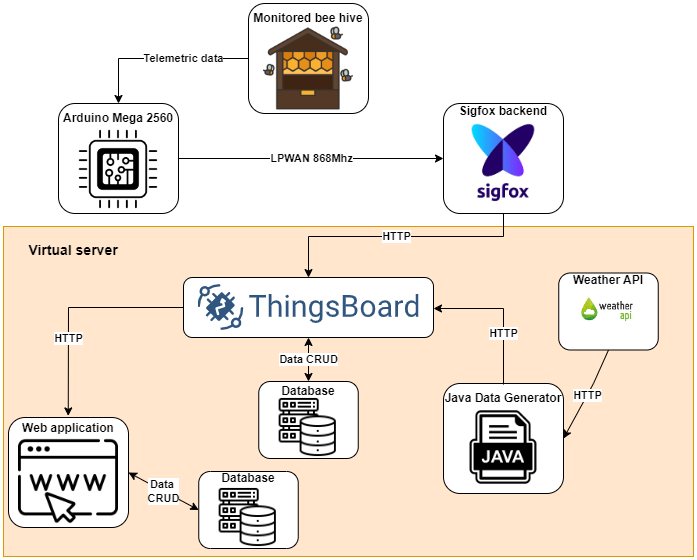
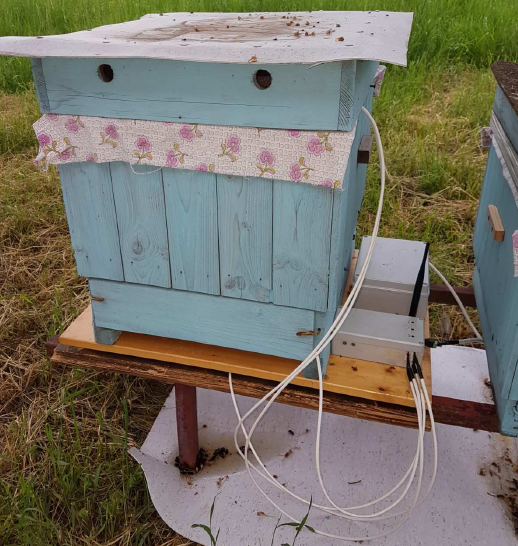
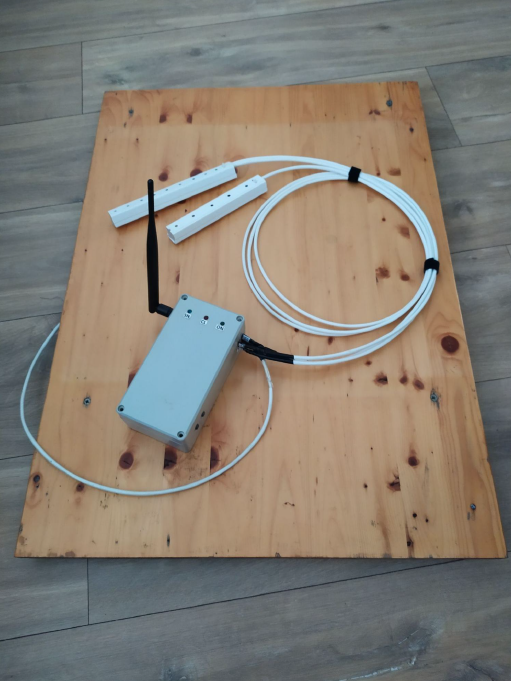
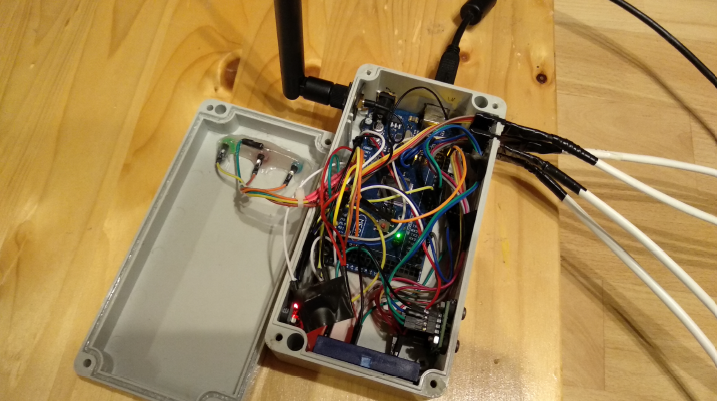
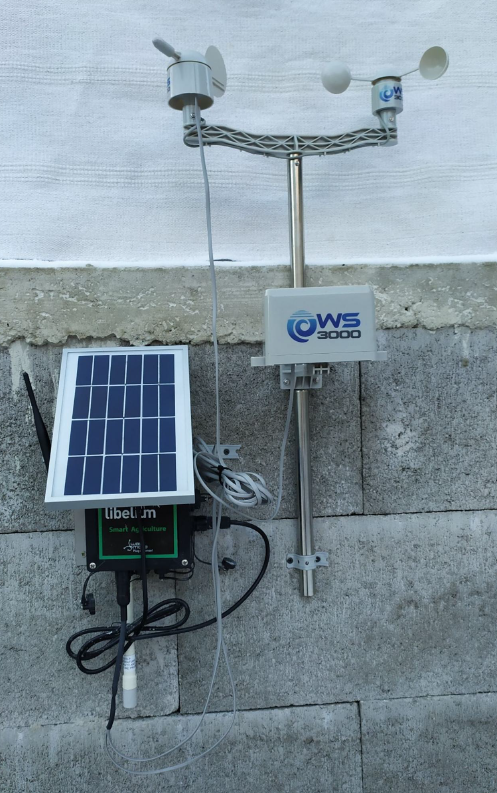
The measurement device itself has undergone several iterations and developments throughout the project. The most current and updated measurement device utilized within the project is an Arduino-based system, specifically the Arduino Mega 2560 model. This device, equipped with a variety of sensors, was meticulously designed to monitor several crucial parameters within the bee hive environment. The monitored variables include external and internal temperatures and humidity levels, the hive's position (to detect overturning), weight, and the frequency within the hive. Notably, the monitoring of external temperature and humidity was facilitated by the Meshlium weather station, utilizing the Waspmote Plug&Sense device, ensuring comprehensive environmental data collection.

These sensors included two DHT22 sensors for monitoring both external and internal temperatures, SEN-10245 weight sensors for measuring the hive's weight, a MAX9814 microphone for frequency measurement of the hive, an MPU-6050 accelerometer with a gyroscope for determining the hive's position and detecting if it has been overturned, an HX711 analog-to-digital converter for processing signals from the weight sensors and a LPWAN Sigfox Node UART (WiSOL SFM10R1) communication module for transmitting the measured data via the Sigfox network. After gathering data from the sensors, the device encodes this information and creates a message for transmission. The messages are sent in hexadecimal form through the LPWAN Sigfox communication module to the Sigfox network, where they are captured by receiving base stations, also present in Slovakia, and forwarded to the Sigfox Cloud (Sigfox Backend). From there, data is relayed to third-party platforms which displayed and analyze monitored data.


Software

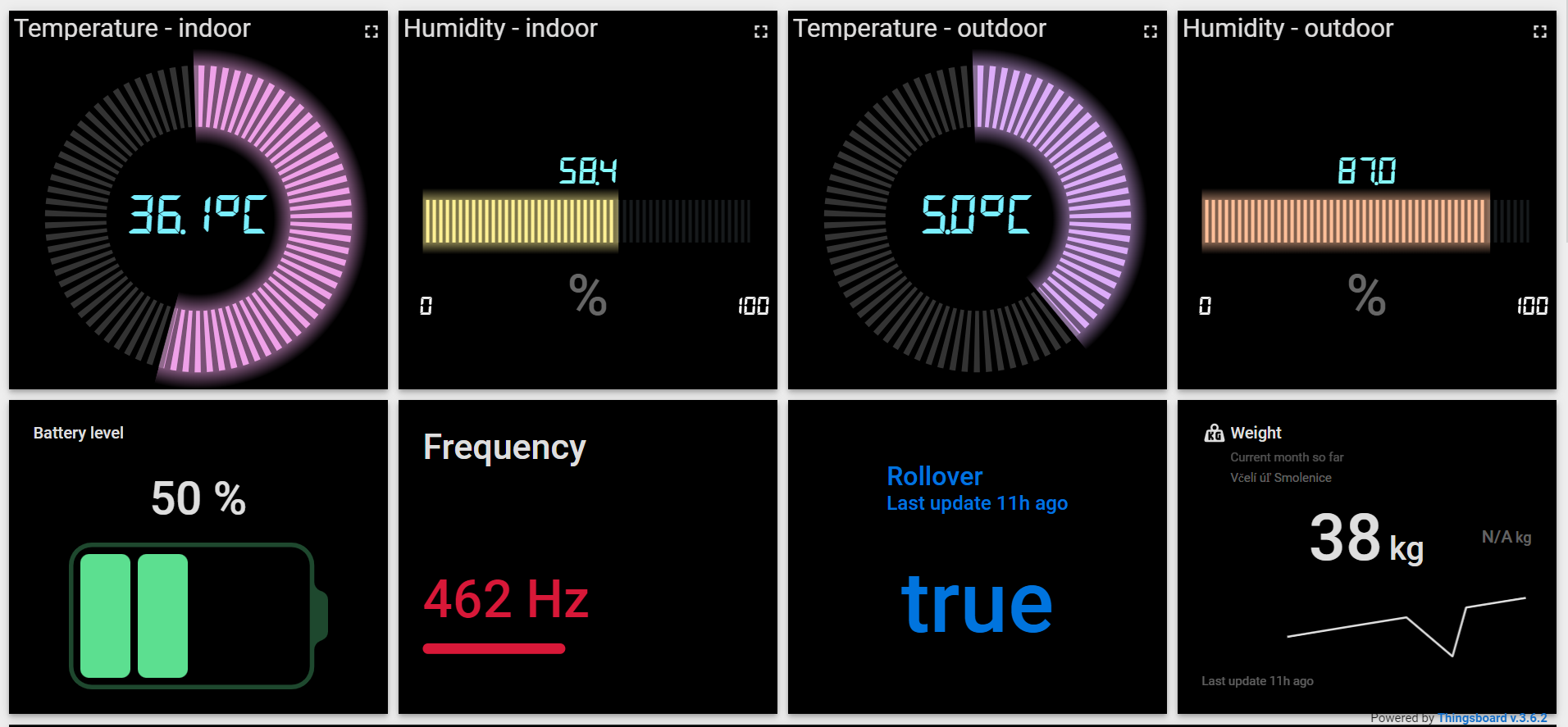
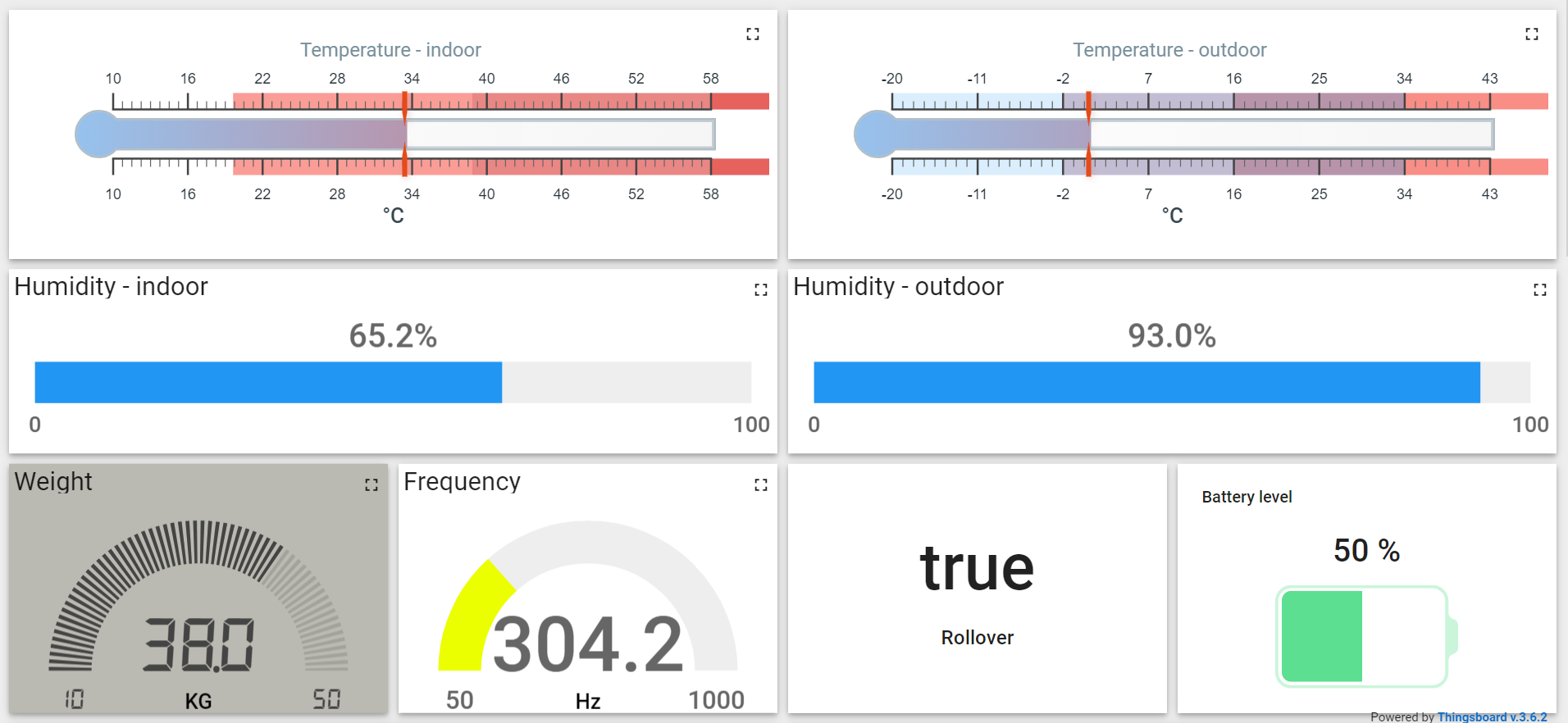
Currently, our project utilizes ThingsBoard, an open-source IoT platform, for displaying, visualizing, and analyzing the collected data. This platform has been instrumental in creating a cohesive and comprehensive view of the data derived from our monitoring devices. ThingsBoard offers the capability to customize user dashboards, enabling us to tailor the main dashboard to display data according to our specific needs or those of our customers. This flexibility ensures that the application we develop on this IoT platform can be designed to present data in the most effective and clear manner possible, catering to our unique set of monitored variables. These variables include internal temperature, external temperature, frequency, weight, hive orientation (overturn detection), internal humidity, external humidity, and battery status. The ability to customize the dashboard allows for an optimized display of these critical parameters, enhancing the user experience by providing a clear and comprehensive overview of the bee hive's condition.

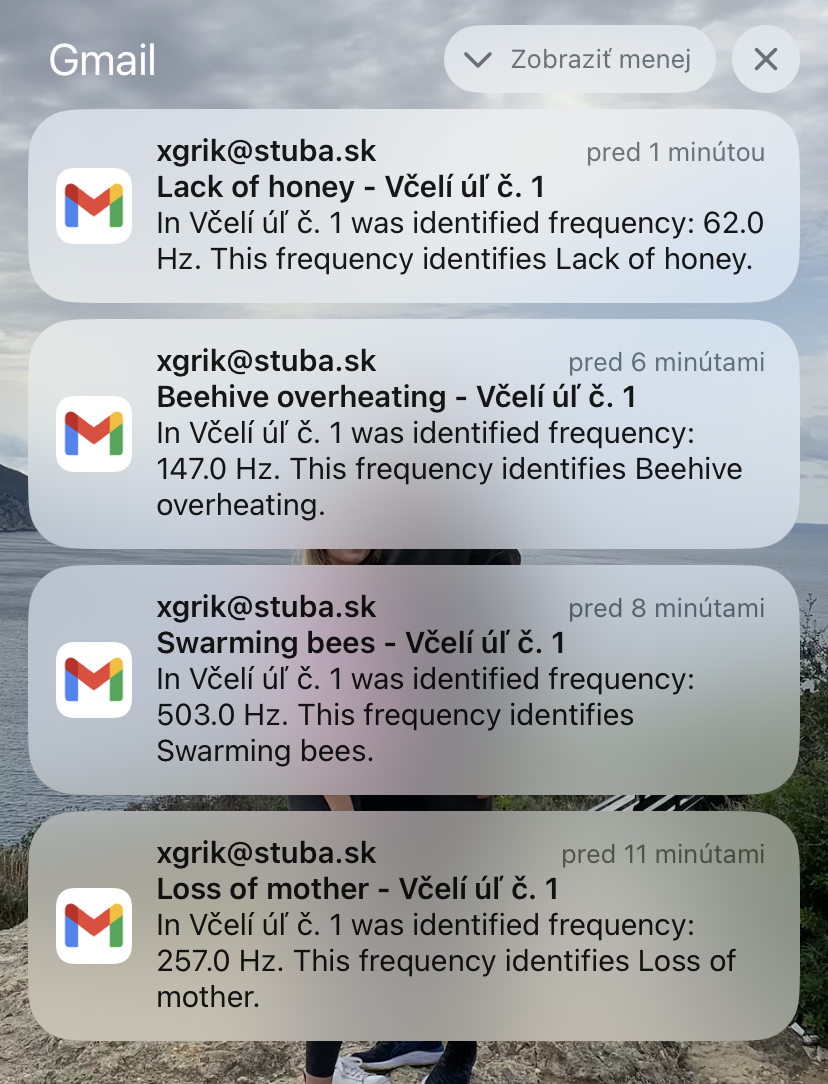
Key features of our software include the ability to add or remove monitoring devices, enabling users to independently manage the integration and disintegration of IoT devices within our application. Additionally, ThingsBoard supports public dashboard visibility. This means that if a user sets their dashboard to be publicly visible, anyone can view the dashboard through a designated URL address. These publicly available dashboards are linked with our presentation web application, and all public dashboards can be searched in a map or a list of monitored bee hives on our website.Furthermore, the platform facilitates the management and recording of interventions in the bee hive, s uch as honey collection, treatment, or feeding events. Users can add entries about these activities, including details like the amount of food consumed, the type of medication used, or the quantity of honey harvested. Beekeepers have complete control over setting up, customizing, and designing their dashboard to suit their preferences. With a vast array of widgets available for displaying all monitored variables and various options for analytical graphs, beekeepers can receive immediate notifications via email in case of unexpected conditions, ensuring timely and informed responses to any arising issues within the hive.